Challenges
-
 Battery Storage
-
Life Cycle Assessment
-
Commercial Strategy
Client
ANODE (Electrify Everything Now)
Challenge
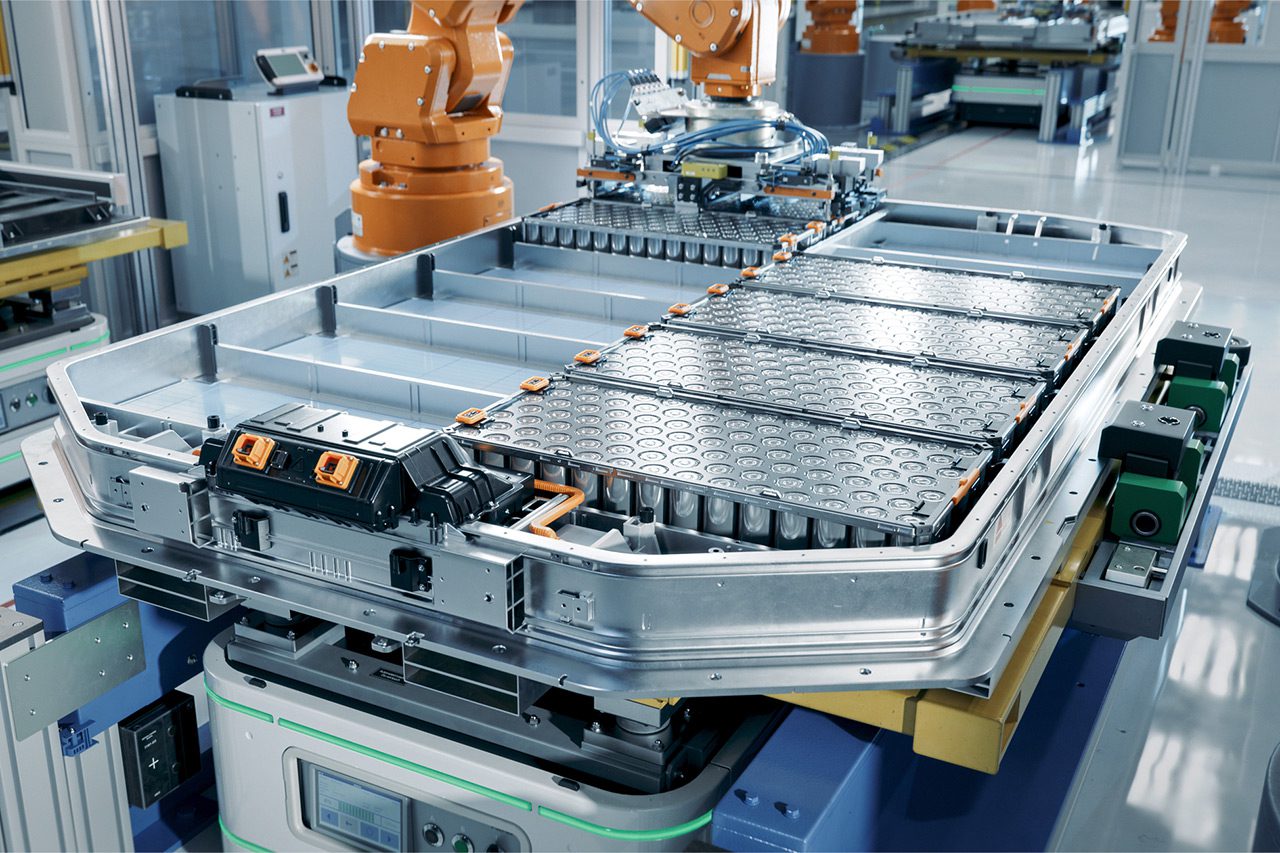
Electric vehicle batteries retain substantial usable capacity when removed from service, yet this value is lost through premature recycling. ANODE has developed Batri, a residential battery energy storage system capable of incorporating second-life EV battery modules, creating an opportunity to extend battery lifetimes while reducing costs and emissions.
To support commercial deployment and future fundraising, ANODE required independent validation of the environmental, technical and economic benefits of the solution through the Innovate UK-funded ResiCharge project.
Solution
Carbon Limiting Technologies (CLT) worked with ANODE and Circular Ecology to independently assess the impact of deploying second-life EV battery modules within residential battery energy storage systems.
The project combined lifecycle assessment, operational trial data and techno-economic analysis to compare Batri systems using second-life and newly manufactured battery modules. CLT quantified lifecycle carbon impacts, assessed operational performance and customer value, evaluated scale-up requirements, and identified the key commercial, regulatory and market barriers to wider deployment.
The work also examined how the solution aligns with the UK Government’s resource efficiency objectives, including the extension of product lifetimes and the retention of value prior to recycling.
Outcome
The project provided independent validation of the environmental, technical and commercial benefits of deploying second-life EV battery modules within residential battery energy storage systems. The analysis demonstrated that the largest source of carbon savings comes from avoiding the manufacture of a new battery module, while also confirming the commercial advantages of second-life deployment.
The findings provided ANODE with an evidence base to support future fundraising, commercial scale-up and environmental reporting activities, while strengthening the case for second-life battery reuse as a resource-efficient alternative to premature recycling.
- Supported validation of a 60-system residential battery storage trial.
- Quantified lifecycle emissions savings of approximately 677 kg CO₂e per Batri system over an 8-year operating life.
- Demonstrated that using second-life EV battery modules could reduce system costs by approximately 15–20% compared with newly manufactured battery modules.
- Demonstrated that second-life deployment can enable domestic battery storage systems to become net carbon reducing within the study boundary.
- Provided evidence of real-world customer savings through electricity bill reduction and load shifting.
- Developed recommendations covering scale-up strategy, module sourcing, installer and customer adoption, and future participation in flexibility markets.
- Authored the final impact validation report for submission to DESNZ
“ResiCharge was a very ambitious project on tight timelines, just 5 months to adapt the product for second life batteries, manufacture, recruit participants, deploy the systems and collect data. CLT provided much needed capacity and expertise allowing our small team to focus on technology and trial deployment while CLT focused on impact validation and lifecycle carbon analysis. The work was of superb quality and we would certainly partner with them again for similar projects.” – Mike Schooling, Anode
__________________________
This project was funded by the Department for Energy Security and Net Zero (DESNZ) and Defra through Innovate UK.