
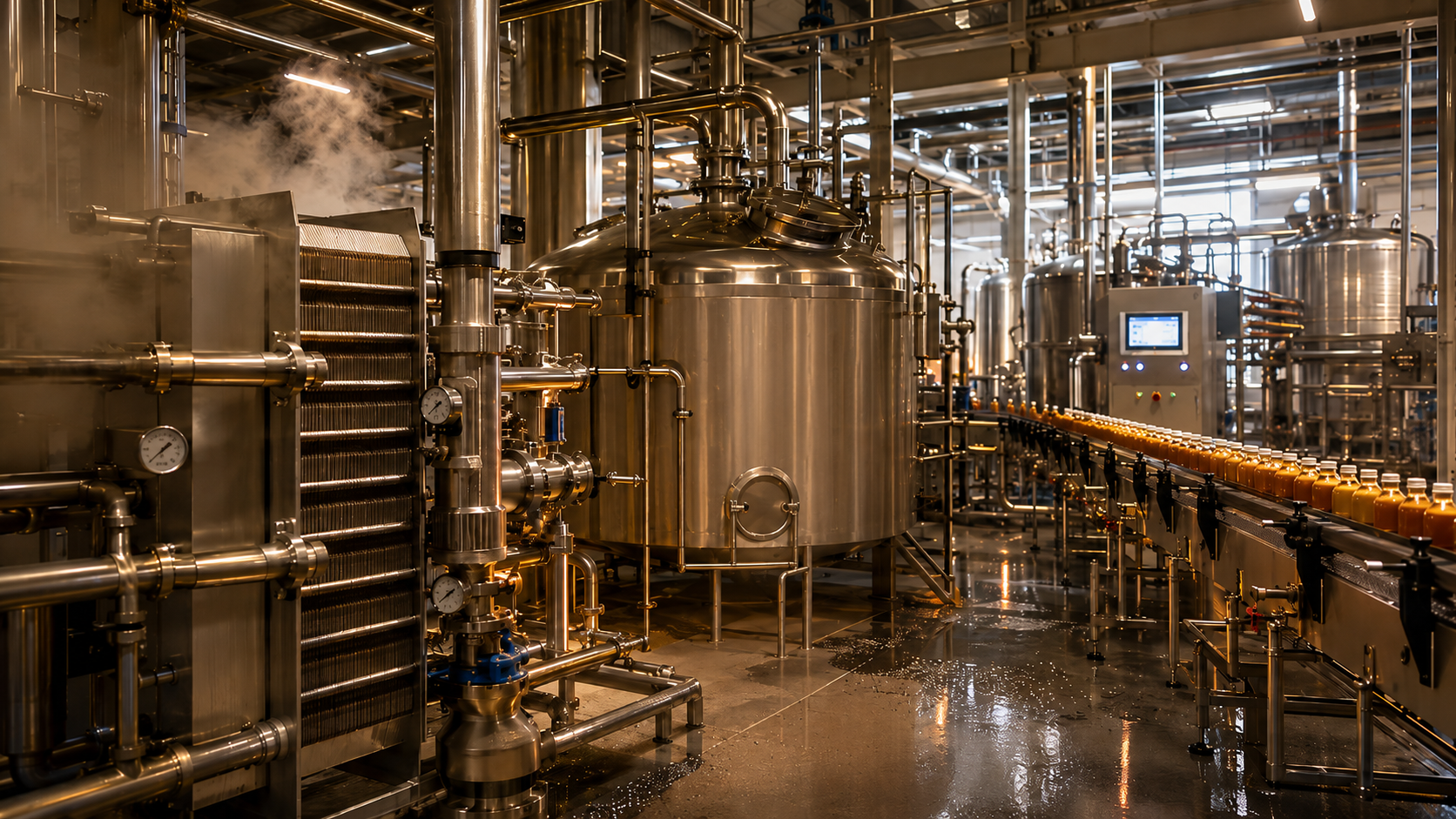
Decarbonising Process Heat in Food & Beverage: Closing the Heat Gap
Decarbonising process heat remains one of the toughest Scope 1 challenges for food and beverage manufacturers. This insight explores where the sector’s “heat gap” remains, why electrification is stalling, and how targeted innovation partnerships can help procurement and engineering teams de-risk low-carbon heat deployment.


Unlocking Scale for UK Climate Tech: A Practical Blended Finance Proposal
First-Of-A-Kind projects are the critical bottleneck in UK climate tech commercialisation. This report makes the case for a blended finance solution and sets out what it looks like in practice.
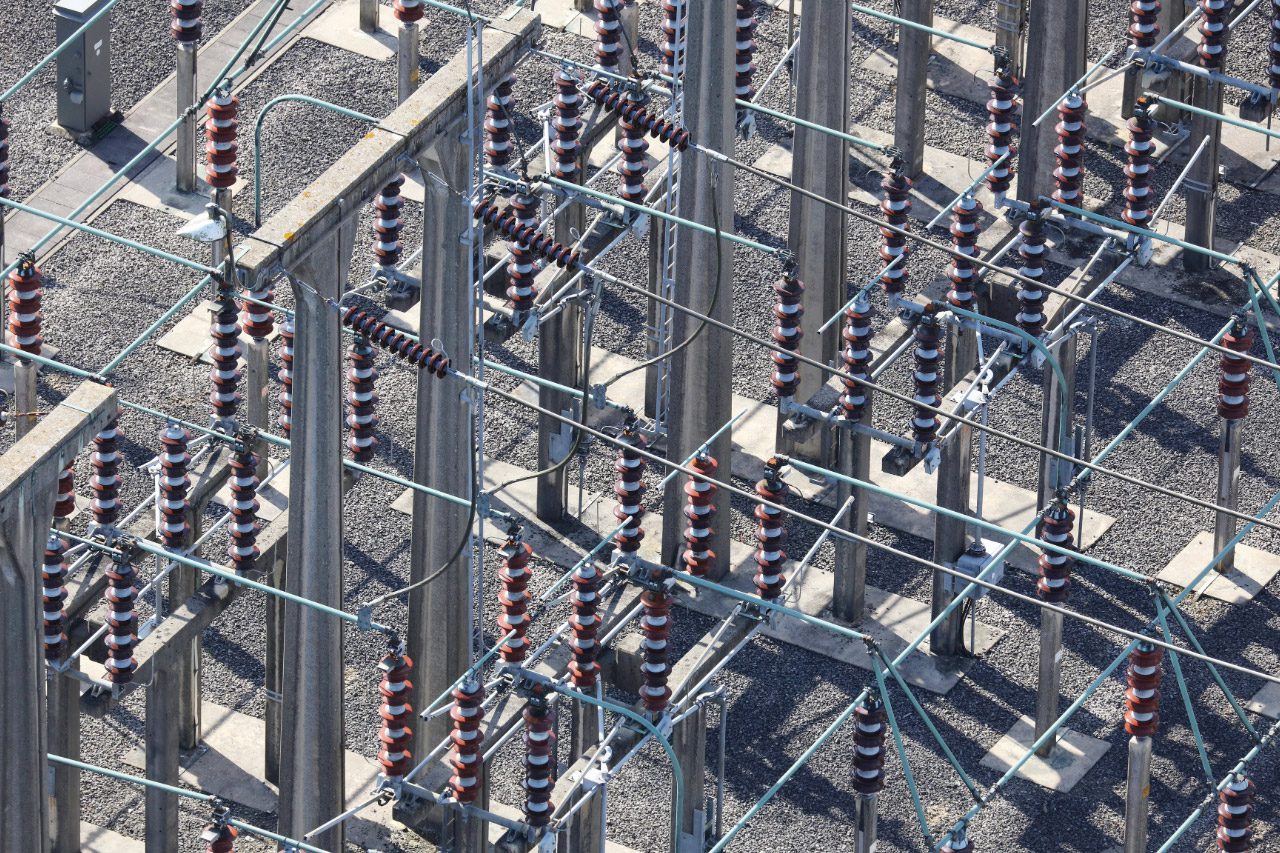
Sovereignty Starts at the Substation
Britain’s energy grid is the binding constraint on growth, security and sovereign capability, and unlocking it will require more than investment alone.

Biodegradable and Bio-based Plastics: Sustainable Alternatives to Traditional Plastics (2025 Guide)
Bio-based and biodegradable plastics promised to cut reliance on fossil feedstocks and reduce pollution at end of life. But their benefits hinge on polymer chemistry, application fit, and the infrastructure systems that collect and treat them - just as the EU’s PPWR raises the bar on recycled-content, recyclability and certain applications. Discover the latest biodegradable and bio-based plastics, EU regulations (PPWR 2025), and sustainable alternatives to traditional plastics in this article.

Energy Network Flexibility: Grid Infrastructure for 100% Renewable Power
At the end of July, the UK Government published a Clean Flexibility Roadmap outlining the path to a clean, flexible and consumer-focused electricity system. This roadmap builds on the Clean Power 2030 Action Plan which points to a two-to-three-fold increase in clean flexibility – reaching 51-66 GW by 2030- through a mix of battery projects, consumer-led demand shifting, interconnectors and long-duration storage. Delivering this scale of flexibility will require new storage technologies, consumer participation and increased investment into emerging energy markets.

AI and Sustainability: Can Artificial Intelligence Deliver a Net Positive Environmental Impact?
Artificial intelligence is both a consumer of vast resources and a potential enabler of climate solutions. It is reshaping how we approach energy, industry, agriculture and research, while simultaneously driving demand for data centres. On balance, can it deliver a net positive impact on the environment?
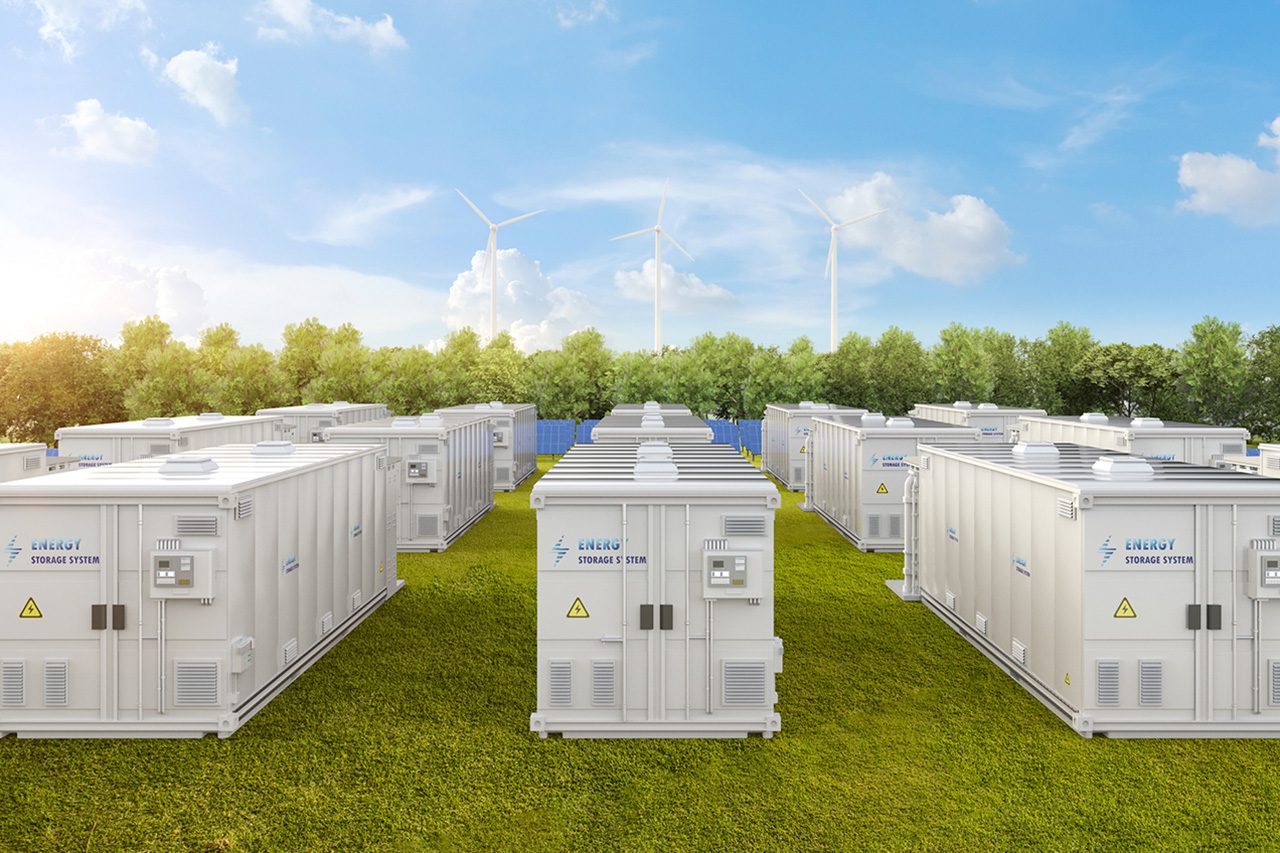
Long-Duration Energy Storage and the UK’s Clean Energy Future
Long-duration energy storage (LDES) refers to technologies that can store electricity for 8 hours or more and release it when needed, helping to stablise the grid during renewables shortfalls.

How corporates can use technology to adapt to climate change
Climate adaptation is critical for business resilience. Learn how AI, early warning systems, innovative financing & nature-based solutions help corporates manage climate risks.